High blood pressure is one of the most common health disorders in postmenopausal women and is of particular importance due to its long-term complications.
The hormonal changes that accompany this stage have direct and indirect effects on blood vessels and heart health. Early awareness of risk factors and preventative measures helps reduce the likelihood of developing and managing the condition.
Hormonal Changes and Their Relationship to High Blood Pressure
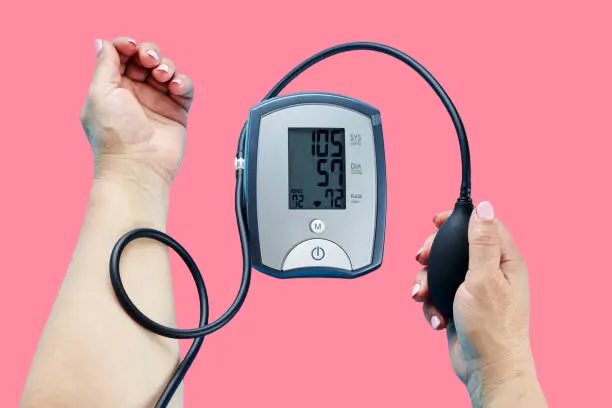
Hormonal changes, especially the decrease in estrogen, are associated with the likelihood of high blood pressure in women due to:
- Reduced protection of blood vessels provided by estrogen.
- Increased arterial stiffness with age.
- Changes in body fat distribution.
Increased blood vessel resistance and its effect on blood pressure
Loss of arterial elasticity leads to increased blood pressure due to:
- Narrowing of blood vessels with age.
- Accumulation of fatty deposits.
- Increased inflammation within the arteries.
The Role of Lifestyle in the Development of High Blood Pressure
An unhealthy lifestyle contributes to the likelihood of high blood pressure in women due to:
- Lack of physical activity.
- A diet high in sodium and fat.
- Increased stress and anxiety levels.
The impact of weight gain and metabolic changes
Changes in metabolism after menopause lead to weight gain and high blood pressure due to:
- A decrease in metabolic rate.
- Fat accumulation in the abdominal area.
- An increase in body mass index (BMI), which is directly related to blood pressure.
Risks of high blood pressure to women's health
High blood pressure increases the risk of cardiovascular disease in women at this stage due to:
- An increased likelihood of heart attacks.
- An increased risk of strokes.
- A decline in kidney health in the long term.
Early diagnosis for blood pressure control
Early diagnosis of high blood pressure helps reduce complications through:
- Regular blood pressure monitoring.
- Following up on family history.
- Routine checkups of heart and kidney function.
Preventing high blood pressure after menopause
The impact of high blood pressure can be reduced by adopting healthy habits, including:
- Adhering to a balanced, low-salt diet.
- Regular exercise.
- Maintaining a healthy weight and getting enough sleep.
Frequently Asked Questions about High Blood Pressure After Menopause
Does weight gain after menopause increase the risk of high blood pressure?
Yes, due to changes in metabolism and fat accumulation.
Can high blood pressure in women be controlled without medication?
In some cases, it can be managed through a healthy lifestyle, but the decision rests with the doctor.
Do hormone replacement therapy for women affect blood pressure?
It may affect some women, so it should be used under medical supervision.
Is high blood pressure common among women over 50?
Yes, and the incidence gradually increases with age.
Article Summary
High blood pressure after menopause is a significant health issue influenced by hormonal and biological factors. Decreased estrogen levels, lifestyle changes, and altered metabolic rates increase the likelihood of developing it.
While early diagnosis and prevention help reduce serious complications, regular follow-up and adherence to a healthy lifestyle remain essential for maintaining a woman's health and quality of life after menopause.